
Home Improvements That Can Increase Rental Returns and Attract Better Tenants
Not every renovation pays its way in a rental. Here are the improvements that tend to attract quality tenants, shorten vacancies and support stronger returns in South East Queensland.
JA Recruitment · Published 10 October 2026 · 6 min read
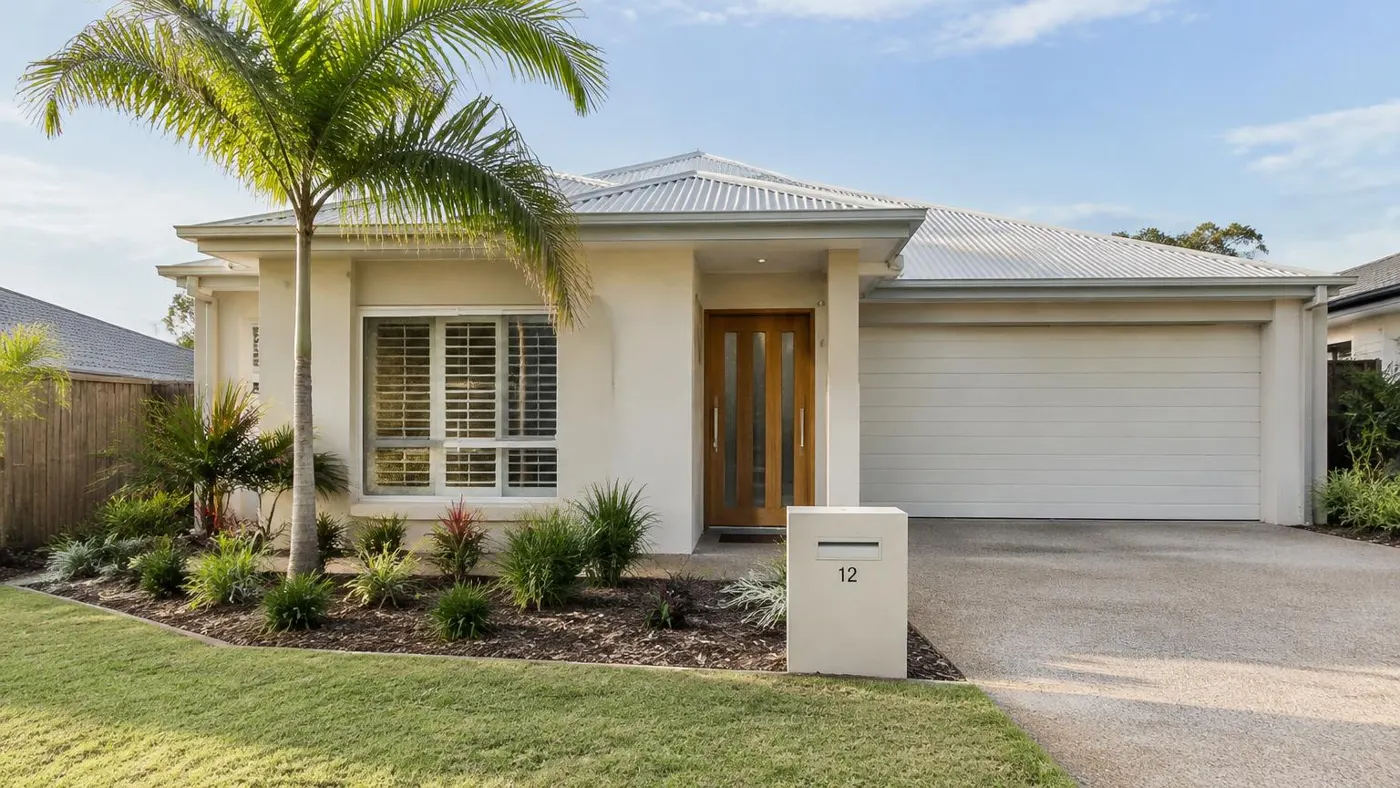
Two rentals in the same street, same bedroom count, same asking rent. One gets a dozen applications in the first weekend; the other sits on the portals for three weeks before the owner drops the price. More often than not, the difference comes down to a handful of practical improvements that made one property easier to picture living in.
Well-chosen upgrades can make a rental property more appealing, support stronger rental returns and reduce the time it sits empty between tenancies. Poorly chosen ones can swallow a year's rent without moving the needle. This guide looks at the improvements that tend to earn their keep for landlords on the Gold Coast, in Brisbane and across wider Queensland - and how to decide which are worth doing.
1. Improving outdoor living areas
In a Queensland climate, outdoor space is used for most of the year, and tenants know it. A covered area where you can eat dinner, dry washing out of the rain or let the kids play within sight of the kitchen is often high on an applicant's list - particularly for families and tenants with pets.
Timber or composite decking
A level, well-built deck turns an awkward patch of lawn or a sloping block into usable living space. Hardwood looks warm and photographs beautifully but needs periodic oiling; composite costs more up front but is far lower maintenance, which suits a property that will be tenanted for years. For investment property owners considering an outdoor upgrade, speaking with experienced decking companies on the Gold Coast can help determine whether a new timber or composite deck is a practical improvement for the property, and what approvals or balustrade requirements might apply.
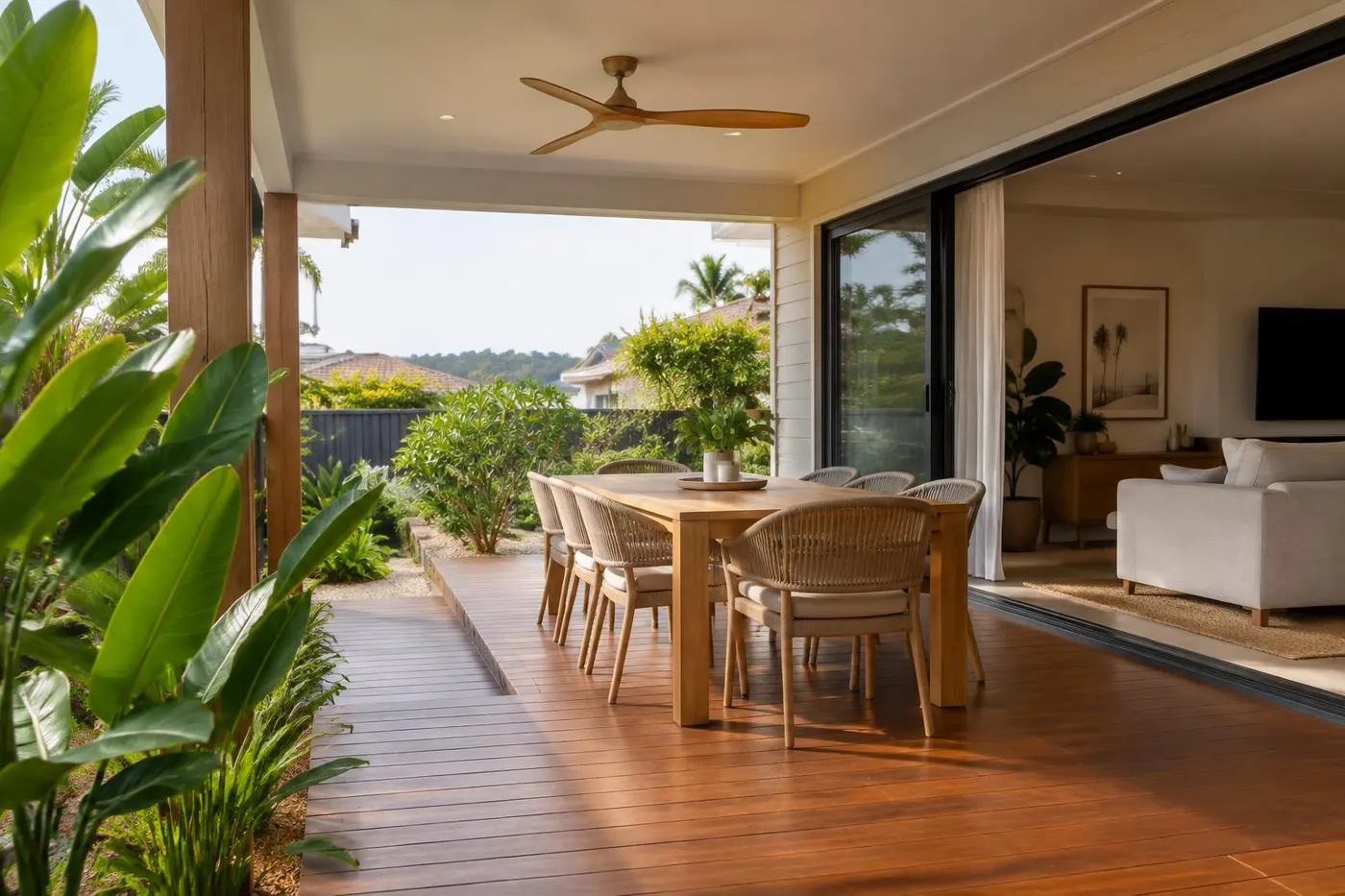
Making the space genuinely usable
- Connect indoors and out. Outdoor areas that open directly off the kitchen or living room get used; ones you have to walk around the house to reach rarely do.
- Add shade. A roof, pergola or awning makes the area usable in summer and in wet weather.
- Keep it low maintenance. Hardy plants, mulched beds and durable surfaces suit tenants and reduce disputes at the final inspection.
- Light and power. An outdoor light and a weatherproof power point are inexpensive and extend the space into the evening.
Attractive outdoor living also does a lot of work in the listing itself. After the main living area, a shaded deck with a table set up is often the image that makes someone book an inspection. Our earlier piece on how outdoor areas influence rental value goes into more detail.
2. Updating kitchens and bathrooms
Kitchens and bathrooms date a property faster than anything else, but they rarely need to be gutted. A targeted refresh often achieves most of the visual improvement for a fraction of the cost of a full renovation.
- Replace tired tapware, handles, shower heads and towel rails with simple, modern fixtures.
- Refresh cabinetry by painting or replacing doors rather than the whole carcass.
- Swap a stained benchtop or splashback for a durable, neutral finish.
- Upgrade lighting - bright, even LED lighting makes small kitchens and bathrooms feel cleaner and larger.
- Re-grout and re-seal wet areas, and fix any slow drains or dripping taps before photography.
3. Installing air conditioning and ceiling fans
In South East Queensland, cooling has moved from a nice-to-have to an expectation for many tenants. A property without air conditioning in the main living area and bedrooms can lose applicants to otherwise comparable listings, especially through summer.
Reverse-cycle split systems in the living area and main bedroom, supported by ceiling fans throughout, are a common and sensible combination. Fans are cheap to run, which matters to tenants paying their own power bills. Comfortable tenants also tend to stay longer, and every avoided changeover saves on vacancy, re-letting and cleaning costs.
4. Improving flooring and interior presentation
Fresh paint in a neutral, washable finish is one of the most cost-effective improvements available to a landlord. It photographs well, suits most furniture and makes minor wear easier to touch up between tenancies.
Flooring deserves a longer-term view. Worn carpet in living areas is often better replaced with hybrid or vinyl plank flooring, which handles sand, pets and heavy traffic far better and is easy to clean at the end of a lease. When comparing finishes, weigh the ongoing maintenance and replacement cycle alongside the upfront price - the cheapest option is rarely the cheapest over ten years of tenancies.
5. Improving street appeal and landscaping
First impressions start at the kerb, both in the listing photos and when applicants pull up for an inspection. Street appeal does not require a landscape architect:
- Tidy, mulched garden beds with hardy, drought-tolerant plants.
- Sound fencing and gates, which also provide privacy and security for pets and children.
- A clean driveway and paths, a straight letterbox and a clearly visible house number.
- Pressure-cleaned walls and roof gutters free of debris.
Keep the garden simple enough that a tenant can reasonably maintain it. An elaborate garden that declines over a twelve-month lease helps nobody.
6. Choosing improvements that deliver value
Not every renovation produces an equivalent rental increase, and no improvement guarantees higher rent or a higher valuation. Rent is set by the market - by comparable listings, local demand and what applicants can afford at the time.
Questions to ask before you spend
Who is the likely tenant - families, professionals, downsizers, share households? What do comparable listings in the suburb offer at the next rent bracket up? What will the work cost, and how many weeks of extra rent or reduced vacancy would it take to recover? Is the property already at the rental ceiling for the street?
Start with safety and maintenance, then low-cost presentation, and only then larger capital improvements where local demand supports them. Our rental property maintenance guide is a useful companion to this list.
7. The role of an experienced property manager
The best person to answer those questions is usually a good property manager. They see the competing listings every week, hear directly what applicants are missing, and know which upgrades actually change the result in a given suburb. A thoughtful property manager can save an owner from a costly renovation that the market will not reward - and point them toward the modest change that will.
That expertise is exactly why agencies compete hard for experienced people. Property managers who understand rental markets, manage landlord relationships well and think about investment performance - not just compliance - are the ones who grow and protect a rent roll. If you're building a team, our property management recruitment service in Brisbane and real estate recruitment on the Gold Coast connect agencies with exactly these professionals.
What home improvements increase rental income the most?
There is no fixed answer, but usable outdoor living, air conditioning, refreshed kitchens and bathrooms, durable flooring and fresh paint consistently improve tenant demand. Stronger demand is what supports holding or lifting the asking rent - check local comparables before committing.
Does adding a deck increase rental value?
A well-built deck that creates shaded, usable outdoor space can make a rental more competitive and attract more applications, particularly in Queensland. It does not guarantee a set rent increase, so weigh the cost against comparable listings in the suburb.
How can landlords attract quality tenants?
Present a clean, well-maintained property with practical features tenants value - cooling, outdoor space, secure fencing and low-maintenance finishes - and respond to repairs promptly. Good tenants have choices and read maintenance as a sign of how the tenancy will be managed.
Should I renovate before or during a tenancy?
Where possible, before. Improvements completed before photography and inspections influence who applies and what rent the market will support. Work during a tenancy disrupts the tenant and usually won't affect rent until renewal.
Should I ask my property manager before renovating?
Yes. An experienced property manager knows local demand and competing listings, and can tell you which improvements are likely to matter for your specific property.
JA Recruitment is a specialist property recruitment agency working with agencies and property professionals throughout Australia, including real estate recruitment in Brisbane and on the Gold Coast.